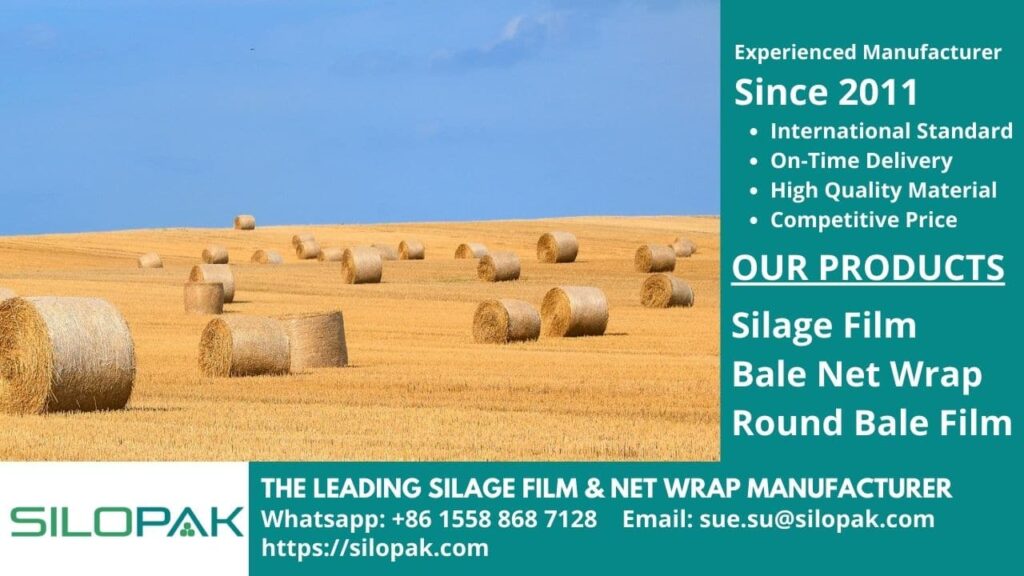
Choosing cattle feed is not rocket science, but it is a craft, and the assumption that cattle will eat whatever is put in front of them is where a lot of expensive mistakes begin. Throwing some leaves here and some grass there does not add up to a ration. Cattle have specific nutritional requirements, and meeting them properly is what determines whether the herd performs or merely survives.
It also pays to stay open-minded. Feeding practices that were standard advice a decade ago have been revised as research has advanced. Experience matters enormously, but so does a willingness to update what you know.
This guide covers the four main categories of cattle feed, what each is for, and, just as importantly, the safety risks each carries.
The Four Main Feed Categories
| Feed Type | Main Contribution | Key Risk |
|---|---|---|
| Pasture and forage | Complete, balanced nutrition at the lowest cost | Bloat on lush legume-rich growth; quality varies by soil and season |
| Hay | Preserved forage for when grazing is unavailable | Nutrient loss if cut too late or stored badly; mold if baled damp |
| Grain | Rapid energy for growth and finishing | Acidosis if introduced too fast or fed in excess |
| Concentrates | Targeted nutrient top-up, low fiber, high energy | Digestive upset if fed without regard to body weight and need |
Pasture and Forage
Nothing beats good pasture. It supplies the full range of nutrients cattle need, at the lowest cost per unit of feed, and it lets the animals do the harvesting themselves.
The qualification is that pasture quality is not a constant. It depends on soil fertility, water availability, the growth stage of the plants, and the season. Depleted soil produces depleted forage, and grass that has run to seed is a fraction of the feed it was two weeks earlier.
Two things pay for themselves: soil testing, so you know what you are actually working with, and attention to plant maturity, so you graze at the right stage.
One safety note. Lush, legume-rich pasture carries a bloat risk, particularly when it is wet and growing fast, and particularly if hungry cattle are turned onto it. Fill cattle with dry hay before moving them onto fresh growth, and introduce new grazing gradually rather than all at once.
Hay
Hay is preserved forage, and its value depends almost entirely on two things: when it was cut, and how it was stored.
Cut too late, once the plant has headed out and gone stemmy, and the protein and digestibility have already dropped sharply. The hay may look bulky and impressive but deliver far less than it should. Cut at the right maturity, cured properly, and stored dry, and hay retains most of the value of the standing crop.
Not all hay is equal
There is a widespread confusion worth clearing up.
Legume hay, which includes lucerne (alfalfa) and clover, is the high-protein option, typically 18 to 22% crude protein, and it is rich in calcium. It is relatively low in phosphorus, however, so the calcium to phosphorus ratio is skewed and worth accounting for in the wider ration.
Grass hay, such as timothy or orchard grass, is considerably lower in protein, generally 8 to 12%, and higher in fiber. It is not the protein feed it is sometimes described as.
Mixing the two gets you the fiber of grass hay and the protein and calcium of legume hay, which is why mixed hay is so widely used.
Alfalfa hay and beef cattle: correcting a myth
You will sometimes read that alfalfa hay is fine for dairy cows but should be kept away from beef cattle because of bloat. This is not correct, and it costs beef producers access to a genuinely valuable feed.
Bloat risk from legumes comes overwhelmingly from grazing fresh, lush, wet legume pasture, where soluble proteins form a stable foam in the rumen that the animal cannot belch away. That risk applies to dairy and beef cattle alike.
Alfalfa hay is a different matter. The drying process breaks down much of the soluble protein responsible for frothy bloat, which is why alfalfa hay is routinely and safely fed to beef cattle around the world. The distinction that matters is fresh versus conserved, not dairy versus beef.
“Hay and silage both live or die on how they were stored, not just how they were grown. We have seen farms cut an excellent crop at exactly the right stage, then lose a third of the value of it because the bales sat under a torn cover through a wet autumn. The nutrition you are counting on in January is decided by decisions made in September.”
— Sue Su, Marketing Director of Silopak
Grain
Grain is popular because it works. It puts on condition quickly, accelerates growth in young stock, and shortens the time to finishing, which reduces maintenance cost per animal. It is also a practical option in winter or where good hay and pasture are simply not available.
Two cautions apply.
Acidosis is the real danger
This is the point most often left out, and it matters more than anything else about grain feeding. Grain is rapidly fermentable. Introduced too quickly, or fed in excessive quantity, it causes the rumen to produce acid faster than the animal can buffer it. The rumen pH crashes, the microbial population is disrupted, and the animal develops acidosis.
Mild acidosis reduces intake and performance. Severe acidosis can kill. Any increase in grain must be gradual, over a period of days to weeks, and adequate effective fiber must remain in the ration to keep the rumen functioning. This is not a corner to cut.
Do not let grain replace forage entirely
Cattle fed solely on supplements lose the habit of foraging and lose the benefit of the nutritional diversity that pasture provides. Grain is a supplement to a forage-based diet, not a substitute for one.
Concentrates
Concentrates, including grain sorghum, wheat, corn, oats, wheat bran, and molasses-based liquid feeds, are low in fiber and high in energy and carbohydrate. They are useful for topping up a ration that is short on energy or a specific nutrient.
They are also expensive, and the same acidosis caution applies as with grain, since concentrates ferment rapidly in the rumen. Feed them according to the animal’s body weight and actual requirement rather than by habit, and keep sufficient fiber in the ration alongside them.
Storing What You Produce
Whatever mix of feeds you settle on, most of them have to survive storage before they reach the animal. Hay must stay dry. Silage must stay sealed. Feed that spoils in storage is feed you paid to grow and will now pay again to replace.
Silopak has manufactured silage film, bale net wrap, and round bale film since 2011 from premium virgin resin, holding a reliable seal for 18 months or more. If you are conserving forage rather than buying it in, the wrap is not a minor line item. It is what determines whether the feed you harvested is still feed when you open it.
Frequently Asked Questions
Q: Can beef cattle eat alfalfa hay?
Yes. The idea that alfalfa hay should be reserved for dairy cows and withheld from beef cattle is a misconception. Bloat risk from legumes arises mainly from grazing fresh, lush, wet legume pasture, where soluble proteins create a stable foam in the rumen. That risk applies equally to dairy and beef animals. Alfalfa hay, by contrast, has been dried, which breaks down much of the soluble protein responsible for frothy bloat. Alfalfa hay is fed safely to beef cattle worldwide, and it is a valuable source of protein and calcium.
Q: Which has more protein, grass hay or legume hay?
Legume hay, by a wide margin. Lucerne (alfalfa) and clover hay typically contain 18 to 22% crude protein, while grass hays such as timothy or orchard grass contain roughly 8 to 12%. Grass hay is sometimes described as protein-rich, but relative to legume hay it is not. Grass hay contributes fiber and bulk; legume hay contributes protein and calcium. Many operations feed a mix precisely to get both.
Q: What is the main risk of feeding grain to cattle?
Acidosis. Grain ferments rapidly in the rumen, and if it is introduced too quickly or fed in excess, acid accumulates faster than the animal can buffer it. Rumen pH falls, the microbial population is disrupted, intake and performance drop, and in severe cases the animal can die. Increase grain gradually over days to weeks rather than in one step, and always maintain adequate effective fiber in the ration to keep the rumen functioning normally.
Q: When should hay be cut for the best nutrition?
Before the plant heads out and becomes stemmy. Once a grass runs to seed, protein and digestibility fall sharply while fiber rises, so late-cut hay can look bulky while delivering far less feed value than it should. For grasses, cutting just before or at early heading is generally the target. Cutting is only half the job, though: the crop must then be cured to the correct moisture, roughly 14 to 18%, and stored dry. Hay baled damp will mold, and in serious cases can heat enough to combust.
Reviewed by Sue Su, Marketing Director of Silopak, on 15 August 2026. This guide has been revised to correct the protein comparison between grass and legume hay, address the myth that alfalfa hay is unsuitable for beef cattle, and add the acidosis warning that grain feeding requires.