
Herbal Udder-Health Powder for Dairy CowsArvelon Plant-Based Feed Additive for Subclinical and Mild Mastitis
Arvelon Herbal Udder-Health Powder is a plant-based feed additive that you mix into the concentrate or the TMR. It is made from eight herbs that serve as both food and medicine, including dandelion, honeysuckle, forsythia and astragalus, and it is formulated around one target: the udder. It contains no antibiotics, leaves no prohibited residues and needs no withdrawal period, so milk from fed cows stays in the tank.
Supplied by Tsingtao Jummos Agricultural Technology Co., Ltd. in three pack sizes: 250 g, 500 g and 1,000 g.
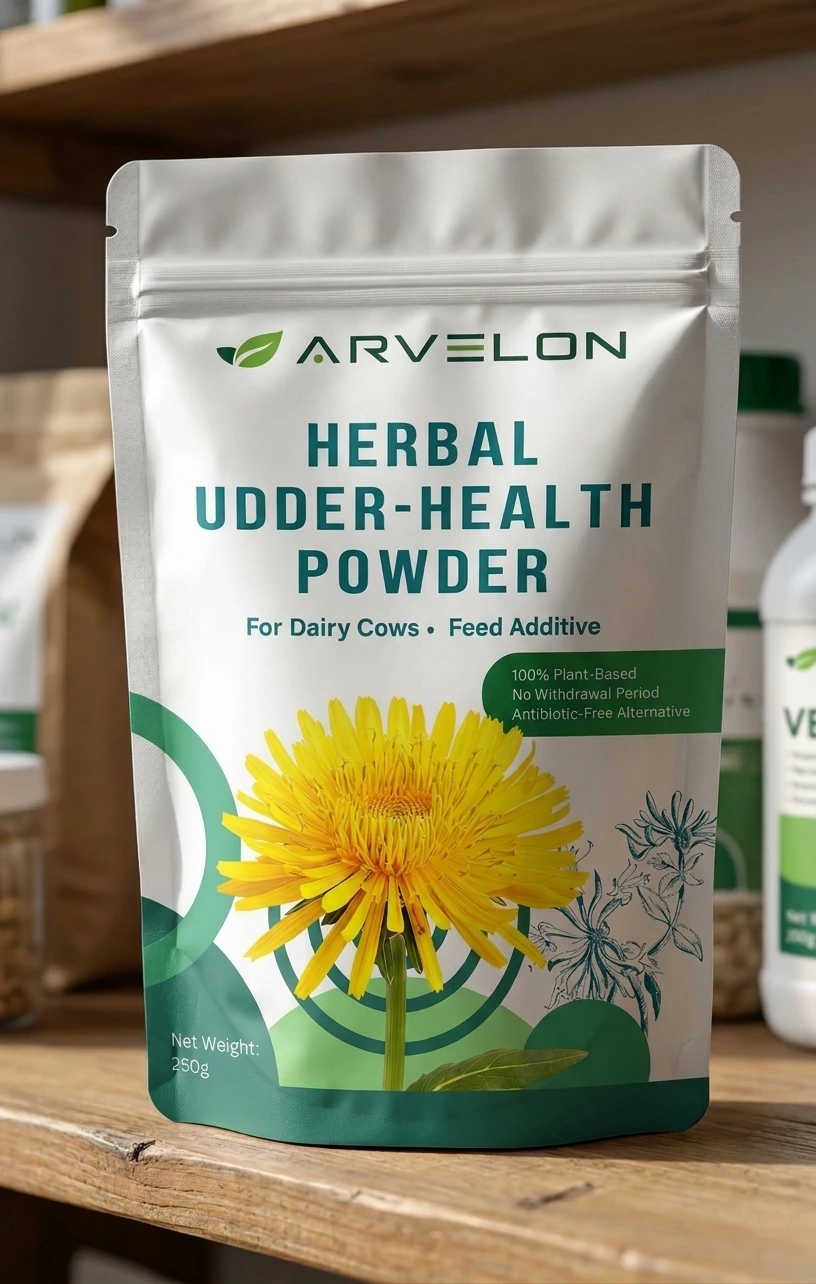
Product Specification at a Glance
Why Mastitis Costs More Than the Treatment
The tube, the vet visit and the discarded milk are the costs that show up on an invoice. The larger share of a mastitis case is harder to see: the quarter that never returns to full yield, the cow that leaves the herd early, and a bulk-tank somatic cell count that quietly pushes the milk price down. Published mastitis cost studies generally rank discarded milk and lost yield for the rest of the lactation as the two biggest items, well ahead of the cost of drugs and veterinary fees.
Subclinical mastitis is the half of the problem most farms never see. Subclinical cases are estimated to be many times more common than clinical ones, often quoted at 15 to 40 times. There is no swollen quarter and no fever, only a positive California Mastitis Test (CMT) and a cell count that keeps milk out of the premium bracket. These are the cases Arvelon Herbal Udder-Health Powder was designed for.
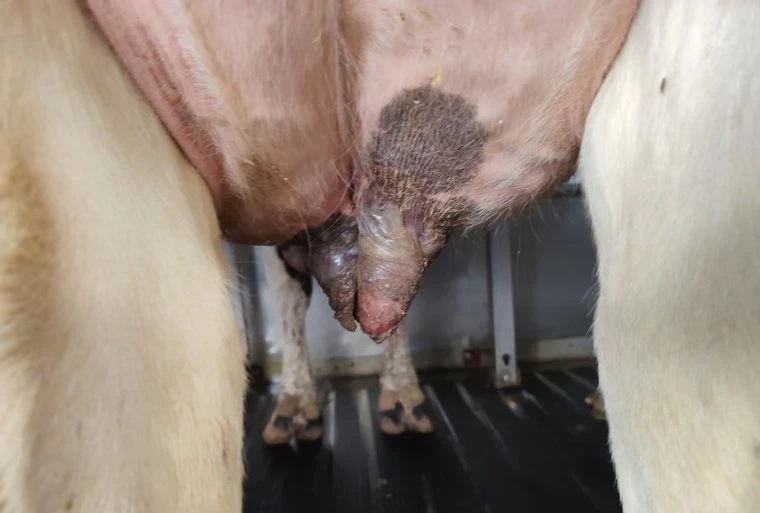
Signs to Catch Mastitis Earlier
- CMT score of 1 to 2 with no visible change in the milk.
- Bulk-tank SCC creeping up without an obvious cause.
- Clots or flakes on the strip cup at one milking, then normal milk at the next.
- One quarter producing less, or milk that looks watery.
- The same cow treated twice in one lactation.
Characteristics
Arvelon Herbal Udder-Health Powder is a brownish-tan powder with the natural, mild fragrance of traditional Chinese medicinal herbs. It mixes evenly into concentrate feed or a total mixed ration (TMR) and does not require any new equipment or changes to the milking routine. Because it is fed rather than injected or infused, there is no tube to insert and no extra handling of the cow.
Ingredients: Eight Herbs That Are Also Foods
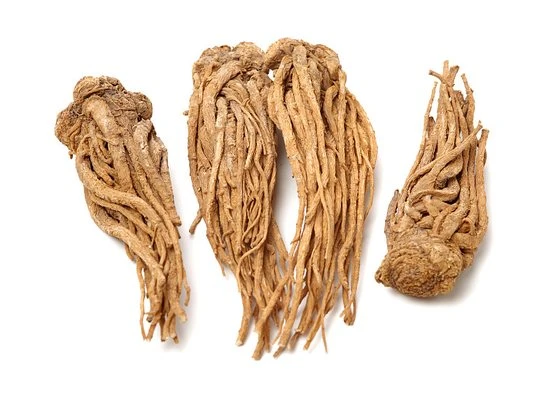
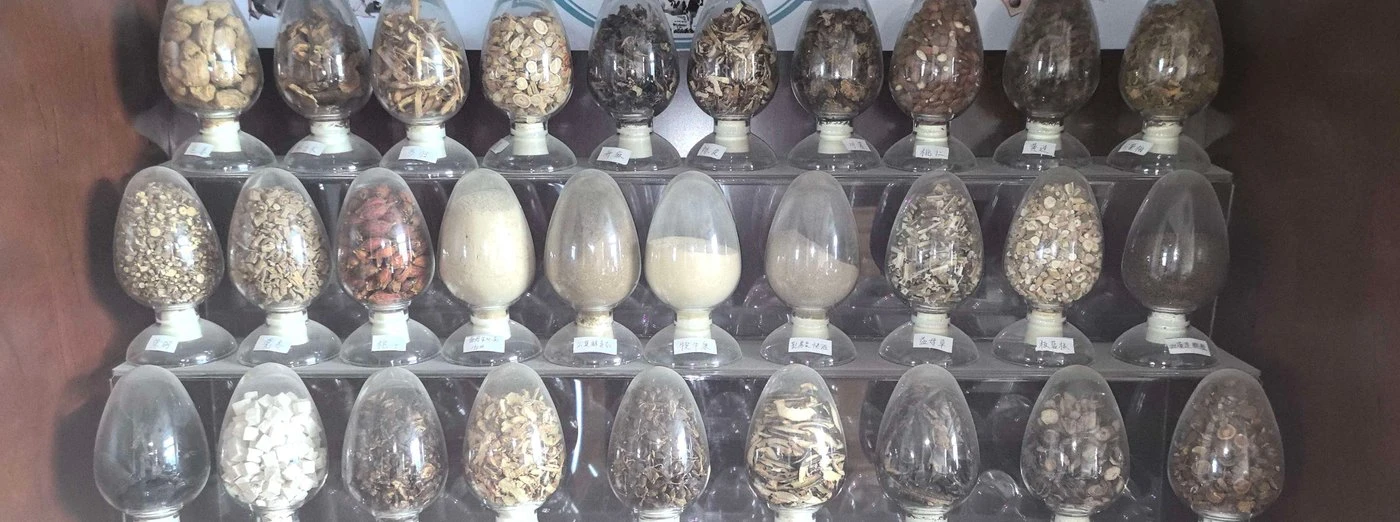
Every ingredient is a herb that serves as both food and medicine. There are no antibiotics, no hormones and no undeclared carriers in the bag. Dandelion and honeysuckle form the backbone of the blend, supported by six further herbs that clear heat, move blood, support immunity and help repair the secretory tissue of the udder.
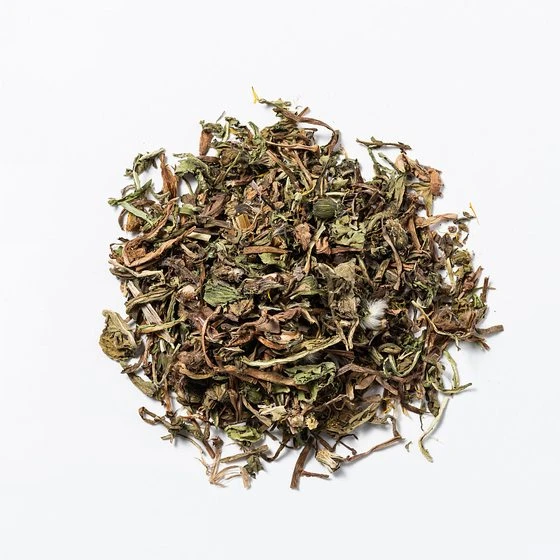
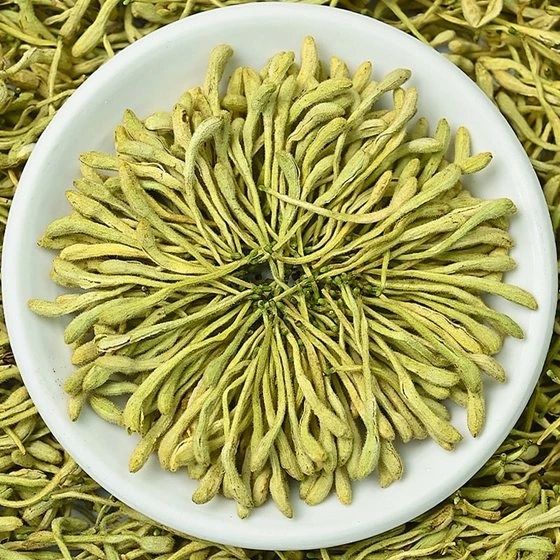
| Herb | Botanical Name | Role in the Formula |
|---|---|---|
| Dandelion | Taraxacum mongolicum | Clears heat and resolves hardness in a swollen quarter |
| Honeysuckle | Lonicera japonica | Clears heat and neutralises toxins; anti-inflammatory backbone |
| Forsythia | Forsythia suspensa | Clears heat and reduces swelling |
| Viola (Violet) | Viola yedoensis | Clears heat and detoxifies |
| Astragalus | Astragalus membranaceus | Strengthens vital energy and supports non-specific immunity |
| Motherwort | Leonurus japonicus | Moves blood and reduces stasis |
| Angelica Sinensis | Angelica sinensis | Nourishes and moves blood, supports tissue repair |
| Licorice | Glycyrrhiza uralensis | Harmonises the formula and supports detoxification |
Mechanism of Action
The formula is based on the principles of Traditional Chinese Veterinary Medicine: clearing heat and detoxifying, reducing swelling and dispersing stasis, and strengthening the body's vital energy. In practical terms, it inhibits the proliferation of harmful bacteria in the mammary glands, clears the mammary meridians, reduces somatic cell counts in milk, alleviates inflammation such as redness, swelling and milk flocculation, and helps repair mammary tissue. This combination helps lower the recurrence rate of mastitis, and because the product contains no antibiotics, it does not readily lead to drug resistance.
HerbsDandelion, honeysuckle, forsythia, viola
- Reduces swelling, heat and pain in the quarter
- Improvement usually seen in the first days of feeding
HerbsMotherwort, angelica
- Improves microcirculation in the gland
- Helps flush bacteria and clots instead of retaining them
HerbsAstragalus, angelica
- Supports the cow's non-specific immunity
- The main reason relapse falls
ResultSecretory cells recover
- Brings the somatic cell count down
- Keeps it down after the course ends
Scope of Application
Arvelon Herbal Udder-Health Powder is suitable for subclinical mastitis and mild clinical mastitis in dairy cows. Clinical trials on dairy farms have shown a combined cure rate of 78.9% for subclinical and mild clinical mastitis. Severe cases involving suppuration or ulceration require surgical intervention by a veterinarian, and acute, feverish or systemically sick cows should be treated by a vet first. In those cases, the powder can be fed through the recovery period to support tissue repair and reduce the risk of relapse.
Results from a 12-Month Field Programme
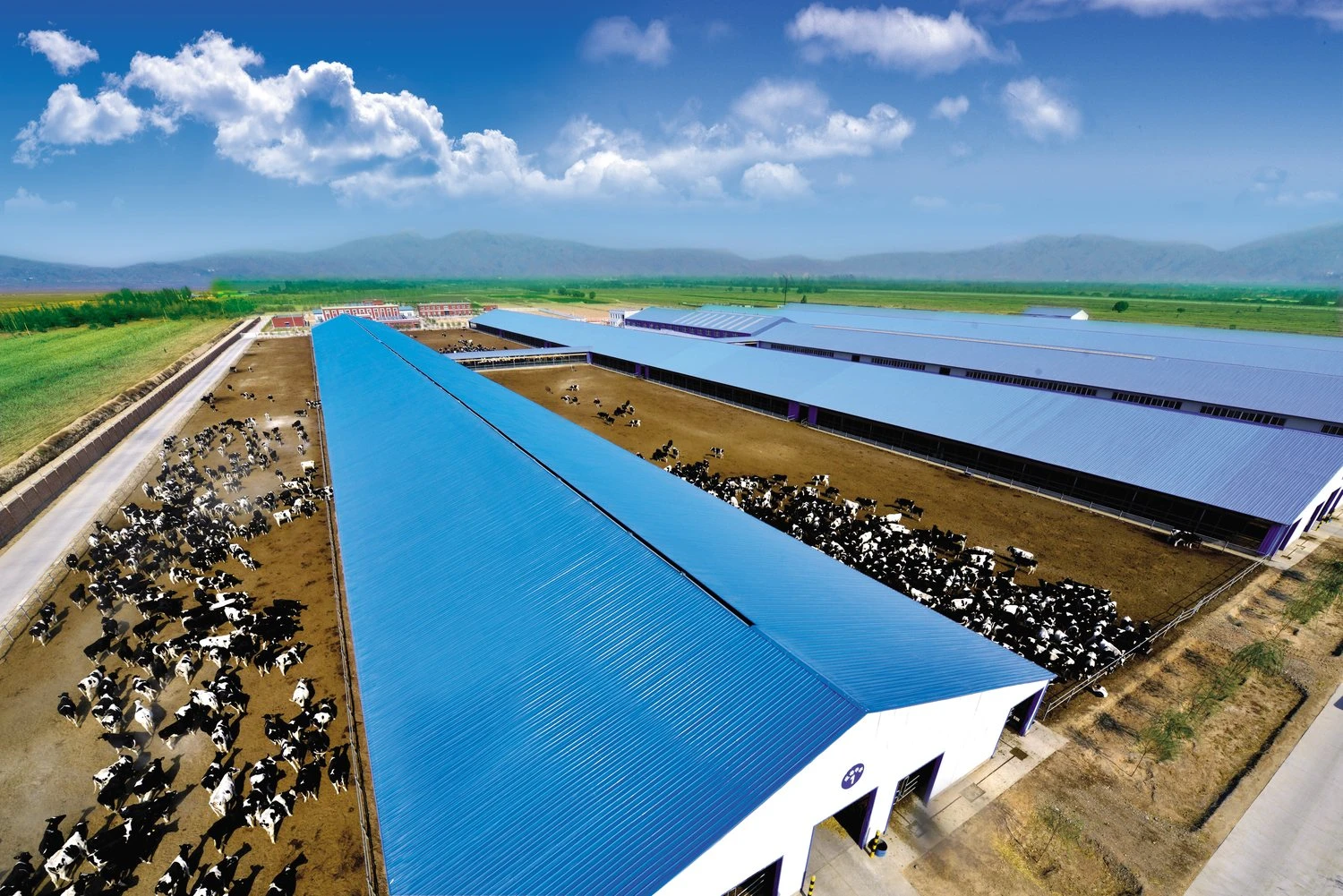
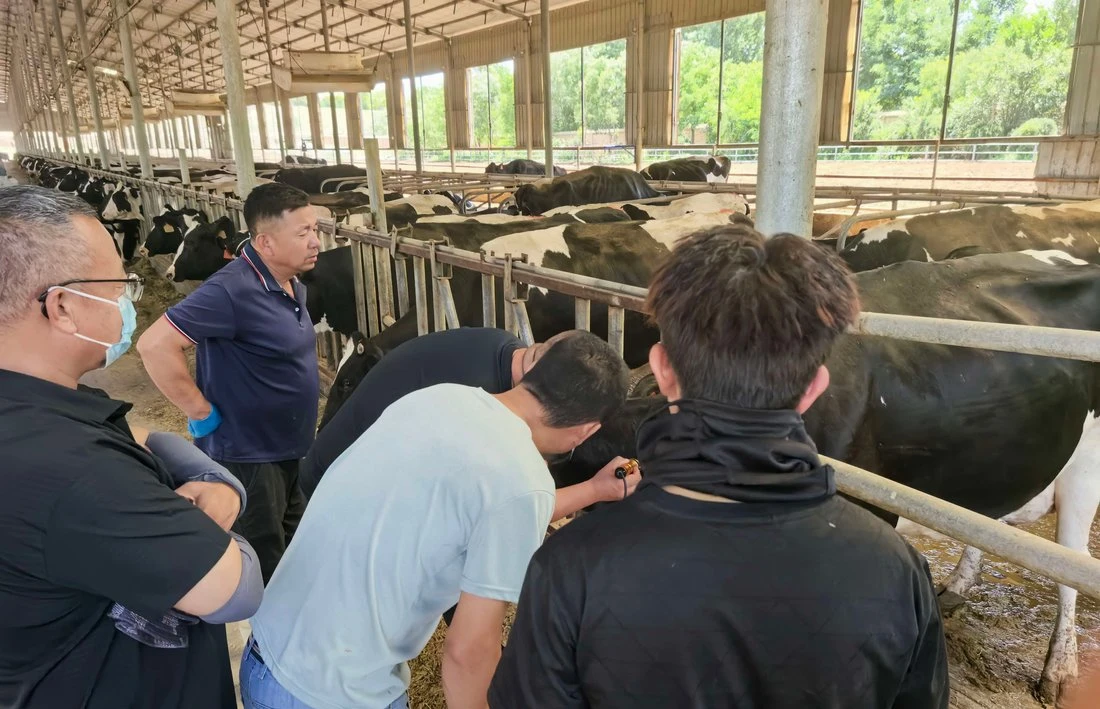
The formula was developed with Dr. Yang Jianguo, Senior Veterinary Surgeon and technical lead at Ningxia Haokai Dairy Husbandry, and tested over 12 months on commercial dairies of 4,800 to 6,000 head in Ningxia, China, including a China GAP certified farm. Cases were diagnosed using clinical scoring, CMT and portable somatic cell counting, with pathogens confirmed by qPCR at the CAAS Lanzhou Veterinary Research Institute. The programme measured cure rate, relapse, individual and bulk-tank SCC, and antibiotic consumption.
Changes are relative to each farm's own pre-programme baseline over 12 months. They are not a guarantee of results on your farm, which depend on bedding, teat condition, milking routine and nutrition. The full trial report, sampling records and laboratory certificates are available under NDA.
Where a 150,000 Cell Count Puts a Herd
| Reference Point | Cells/mL |
|---|---|
| Legal limit, United States (PMO) | 750,000 |
| Legal limit, European Union | 400,000 |
| Typical premium-threshold band | 200,000 |
| Pilot herd after the programme | 150,000 |
Legal limits are regulatory reference points; premium bands are set by individual milk processors.
Usage and Dosage
Mix the powder thoroughly into concentrated feed or a total mixed ration (TMR). Administer it individually to affected cows, with a 7 to 10 day course serving as one treatment and conditioning cycle. During periods with a high incidence of mastitis, it may be added to the feed for the entire herd as a preventive measure. The inclusion rate is stated on the pack label, and our team can return a mixing sheet calculated against your TMR formula. If you are unsure about palatability, start at half rate for the first two days.
| Situation | Who | Duration | How |
|---|---|---|---|
| Mild clinical mastitis (clots, swelling, no systemic signs) | Affected cow | 7 to 10 days | Individual feeding; continue until milk is visibly normal and the CMT improves |
| Subclinical mastitis (CMT positive, SCC raised) | Affected cow | 7 to 10 days | Individual feeding; confirm with a cell count at day 14 to 21 |
| Herd prevention (high-incidence period, dry-off) | Whole herd or dry cows | Through the risk period | Mixed into the group TMR; pair with teat dipping and bedding hygiene |
| Severe, purulent or necrotic mastitis | Veterinary case | As prescribed | Not a substitute for veterinary treatment or surgery; may be fed during recovery |
Three Steps on the Farm
- Find the cases. Fore-strip every quarter at milking, score with CMT and take a cell count on any positive quarter.
- Feed it, do not inject it. Weigh the daily rate onto the cow's concentrate or into the TMR and mix thoroughly.
- Check the number. Re-score CMT at day 7 and take a cell count at day 14 and day 21. Somatic cells lag behind tissue healing, so judge the result at three weeks, not three days.
Where It Fits in the Lactation Cycle
- Dry period: many new infections start here, so feeding the dry-cow group helps the next lactation start clean.
- Fresh cows (0 to 21 days): the highest-risk window; any CMT-positive quarter gets a 7 to 10 day course.
- Lactation: feed cases as they appear and watch the bulk-tank cell count monthly.
- High-risk periods: heat stress, housing changes and ration upsets; supplement the group through the risk window rather than after an outbreak. A well-mixed ration matters here, and our guide to feed mixer grinders covers TMR mixing equipment.
Herbal Powder vs Antibiotic Tube
| Factor | Antibiotic Tube | Arvelon Herbal Powder |
|---|---|---|
| Milk after treatment | Discarded for 3 to 5 days | Stays in the tank, no withdrawal |
| Residue risk | Positive test risk, buyer rejection | No prohibited residues; conforms to raw-milk safety standards |
| Bacterial resistance | Selected for with every course | No antibiotic pressure |
| Chronic quarters | Relapse is common | 26% fewer relapses in the field programme |
| Administration | Intramammary infusion per quarter | Mixed into concentrate or TMR |
In acute, feverish or systemically sick animals, antibiotics prescribed by a veterinarian remain the right first choice. The herbal powder is used alongside them during recovery and on its own for subclinical and mild cases.
Pack Sizes: 250 g, 500 g and 1,000 g
Arvelon Herbal Udder-Health Powder is available in three pack sizes, all in resealable moisture-barrier laminate pouches. Smaller packs suit individual cow courses and trials, while the 1,000 g pack suits herd-level feeding during high-risk periods. Private-label artwork and carton quantities are confirmed per order.
250 Gram Pouch
For individual cow courses, small herds and first trials. Easy to store in the parlour or feed room and quick to use up once opened.
500 Gram Pouch
For medium herds treating several cows at once, or for running a full trial course on a group of affected cows.
1,000 Gram (1 kg) Pouch
For larger herds and for whole-group feeding through dry-off, the fresh-cow period or other high-incidence periods.
Precautions and Storage
- Feed additive, not a veterinary drug. For severe cases, follow the treatment plan prescribed by a veterinarian.
- No withdrawal period. The product contains no prohibited drug residues; no withdrawal period is required during lactation, and it complies with safety standards for raw milk.
- Storage. Store sealed in a cool, dry and well-ventilated place. Protect from light, moisture and direct sunlight.
- Shelf life. 12 months when kept sealed.
- Hygiene still matters. The powder is one part of a mastitis programme, not a replacement for good milking routine, teat dipping and clean bedding.
Quality Control and Documents
Every incoming herb lot is sampled, retained and referenced before production, and each batch is coded so it can be traced back to its herb lots. For importers and distributors, we supply a certificate of analysis and batch number, an MSDS, a non-antibiotic and no-withdrawal declaration, composition, HS code and origin documents, and third-party residue and heavy-metal test reports on request. Herd protocols, mixing sheets and bilingual training material for farm staff are available as part of supply.
Start with a 20-Cow Trial
We would rather you test the product on 20 cows than take our word for 5,000. Ask for a trial pack, run one 10-day course with a CMT record sheet and written protocol, and compare the CMT and cell count against your own records. Distributors handling other Arvelon additives may also be interested in our SD-705 silage inoculant, and good forage underpins udder health too; our guide to green fodder for cows covers the basics.
Frequently Asked Questions
Is Arvelon Herbal Udder-Health Powder a medicine?
No. It is a plant-based feed additive made from food and medicine herbs, not a veterinary drug. Most markets do not require a prescription, but check your own import classification before the first shipment; we will send the composition and HS code.
Is there a withdrawal period for milk?
No. The product contains no prohibited drug residues, so milk can stay in the tank throughout feeding and complies with raw-milk safety standards.
Can it be used together with antibiotics?
Yes. In acute cases, follow your veterinarian's antibiotic treatment first, then feed the powder through the recovery period to support tissue repair and lower the relapse risk.
How quickly will I see results?
Udder swelling, milk appearance and appetite usually improve within 3 to 5 days. Somatic cell counts take 2 to 3 weeks to fall because they reflect tissue that has to heal.
Will cows eat it?
It is a brownish-tan powder with a mild herbal smell, mixed into concentrate or TMR. Palatability problems are rare once it is properly mixed; start at half rate for two days if unsure.
Which pack size should I choose?
Choose 250 g for individual cows or trials, 500 g for several cows at once, and 1,000 g for whole-group feeding during high-risk periods.
Send us your herd size, current bulk-tank SCC and preferred pack size (250 g, 500 g or 1,000 g). We will reply with pricing, MOQ, lead time, trial pack and private-label options.