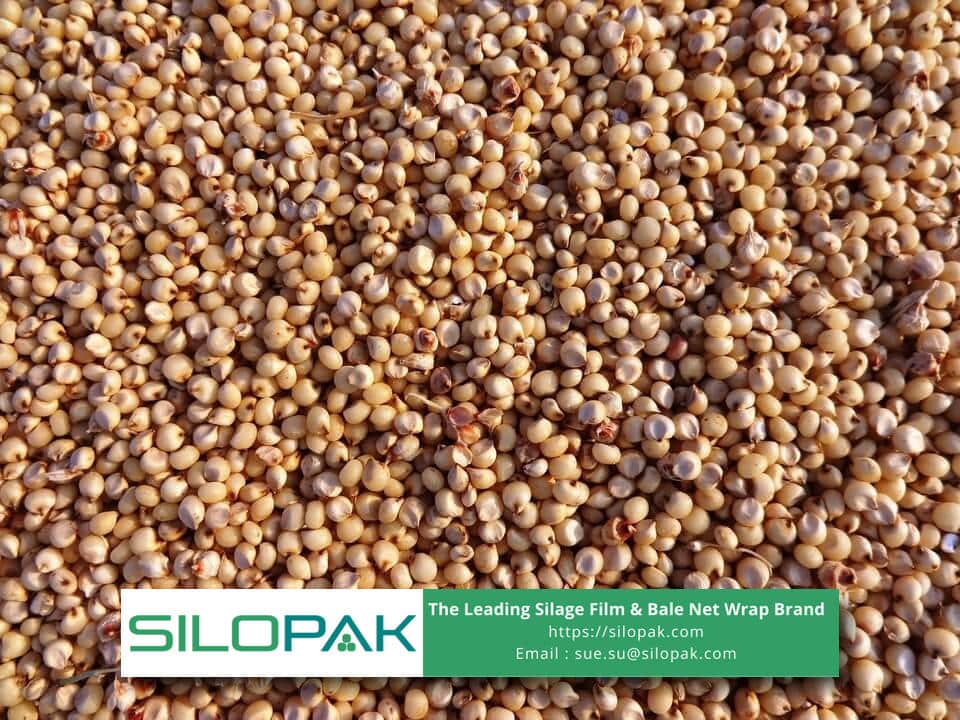
People usually hear about sorghum as food for humans. In some areas it replaces rice, especially when rice becomes expensive or hard to grow. Because of that, sorghum is often treated as a secondary crop when it comes to livestock. From what we have seen, that way of thinking is more about habit than actual feed performance. It is so underrated.
The questions that often comes up repeatedly from farmers: is sorghum really good for animal feed, or is it only something people use when there are no better options? Well, in practice, sorghum works well, but only when it is handled properly. When it is used carelessly, it creates problems. When it is used correctly, it becomes a reliable feed source.
Sorghum as a Crop
Sorghum looks similar to corn, although the grains are smaller. It originates from Africa, but it now grows in many regions with warm climates. One thing that stands out clearly in the field is how resilient this plant is. When other crops slow down due to heat or limited rainfall, sorghum often continues to grow. This characteristic alone makes farmers pay attention, especially in dry or unpredictable environments.
This adaptability explains why sorghum continues to appear in discussions about animal feed, particularly in regions facing climate stress.
Nutritional Value of Sorghum for Livestock
From a nutritional perspective, sorghum is mainly an energy source. On paper, it does not always appear as strong as corn, but in real feeding conditions, livestock respond reasonably well. Based on our field observations, cattle fed with properly prepared sorghum silage may not show rapid weight increases, but their feed intake remains stable, which is often more important over long production cycles.
Sorghum also contains protein, fiber, and essential minerals, although these levels depend heavily on soil conditions, climate, and crop management. That variability is something farmers must consider, because the quality of sorghum can differ significantly between farms.
Why Sorghum Is Commonly Processed into Silage
On most farms, sorghum is not fed fresh. It is usually chopped and fermented into silage. This step is critical. Fresh sorghum, especially at younger growth stages, can contain prussic acid, which poses a real risk to livestock. There have been cases where farmers underestimated this issue and experienced feed refusal or health problems in their animals.
Ultimately, fermentation reduces this risk and improves feed safety. When the silage process is done correctly, sorghum becomes a more stable and predictable feed source.
Performance of Sorghum Silage Compared to Other Forages
Once properly fermented, sorghum silage behaves similarly to other common forages. Some farmers compare it to elephant grass or sugarcane, and this comparison is generally accurate. Well-made sorghum silage usually has a mild, slightly sweet aroma, and livestock tend to accept it without difficulty.
When silage quality is consistent, feed intake remains steady, and milk production or weight gain stays within expected ranges. Sorghum may not outperform corn silage in every situation, but it performs reliably when managed correctly.
Identifying Good and Poor Quality Sorghum Silage
Not all sorghum silage meets good quality standards. Poor fermentation becomes evident quickly. A sharp acidic odor, visible mold growth, or dark discoloration usually indicates a problem during the ensiling process. Good sorghum silage typically retains a greenish color, has a clean smell, and maintains visible plant structure.
Based on experience, livestock response often provides the clearest evaluation. When animals consume the silage readily and consistently, it usually confirms that the fermentation process was successful.
Field-Based Conclusion on Sorghum for Animal Feed
So, is sorghum good for animal feed? Based on our observations from real farming conditions, the answer is yes. Sorghum is not a shortcut solution, and it cannot compensate for poor feed management. However, when integrated into a balanced feeding program, it can help farmers control costs and manage climate-related challenges.
Ultimately, livestock performance depends on consistency more than any single ingredient. Sorghum silage may not receive as much attention as other feeds, but when it is fermented properly and stored well, it performs its role effectively. For many farmers, that level of reliability is exactly what they need. Lastly, check the video below as well to better understand the benefits of sorghum silage.

Content last reviewed on 25 December 2025.