The potential of crop baling processes in helping farms and farmers improve productivity is not something to be taken for granted. Livestock requires nutrients all the time, and this fact is not in direct proportion with the availability of feed that the animals can use to sustain themselves. Fluctuating weather and other factors may hinder wild plants from growing, and the animals will not find it easy to find food even when they are let roam the farm freely on their own. Baling plant materials is a solution that farmers may find convenient as it means food supplies are readily accessible regardless of the current actual situation.
What It Takes to Produce Quality Feed
The art of crop baling is an age-old technique that is practiced by many and passed down to the next generation. Essentially speaking, it is a method of preserving livestock feed so the animals can still be supplied with nutritional sustenance for them to be capable of producing marketable outputs for their owner.
The quality of the feed is an important subject to take into account when expecting quality products that come with higher commercial value. Suffice to say that if a farmer fails to meet this very basic need of said animals, they should expect disappointments as the animals wouldn’t be able to give them anything of significance.
So that a farmer can perform crop baling techniques smoothly, special tools and implements are required. From harvesting equipment to cutting and baling machinery, everything needs to be carefully planned so the entire process can go without hiccups in the middle of it.
While everything mentioned before is pretty straightforward and involves the mechanical application of machinery, the art of baling crop plants is complete only after the resulting bales are wrapped neatly within special packaging that offers an array of benefits.
What to Know about Bale Wrap
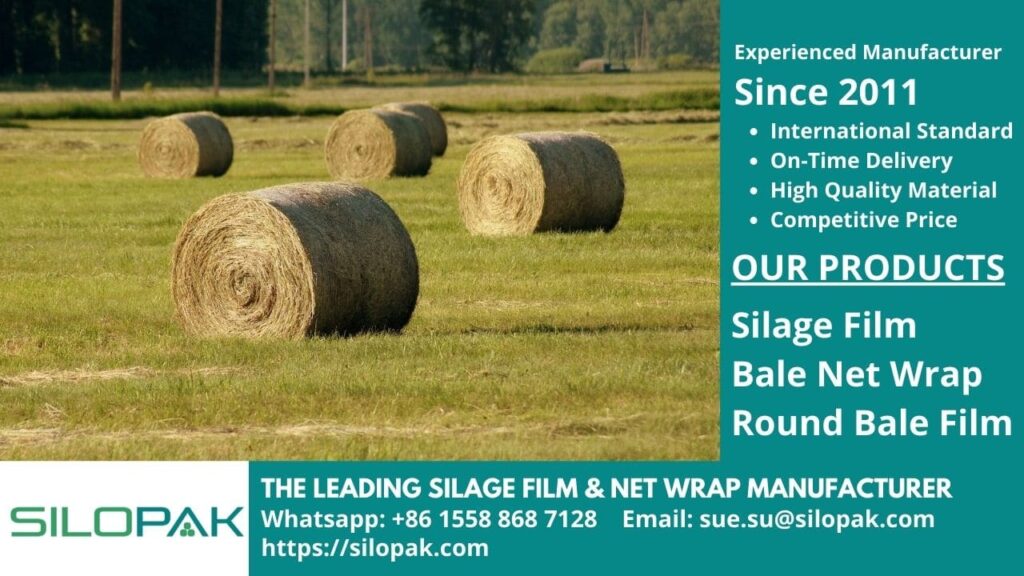
Crop baling process doesn’t end with the bales being put aside in a special spot within the farm. The bales need to be covered in wrapping materials after baling procedure has finished. The purpose of covering bales in these wrappers is simple: They help protect the contents and maintain their quality for the animals to eat. Bales consist of compressed organic plant materials such as grass or crop residues.
Organic materials are prone to getting rotten from exposure to excess moisture and oxygen. This is especially true when talking about silage, a form of fermented feed. But this doesn’t discount dry baled hay as water can still dampen it enough for them to start rotting.
When it comes to wrapping products for crop baling, one can choose their type based on the bale one is making.
Net Wrap
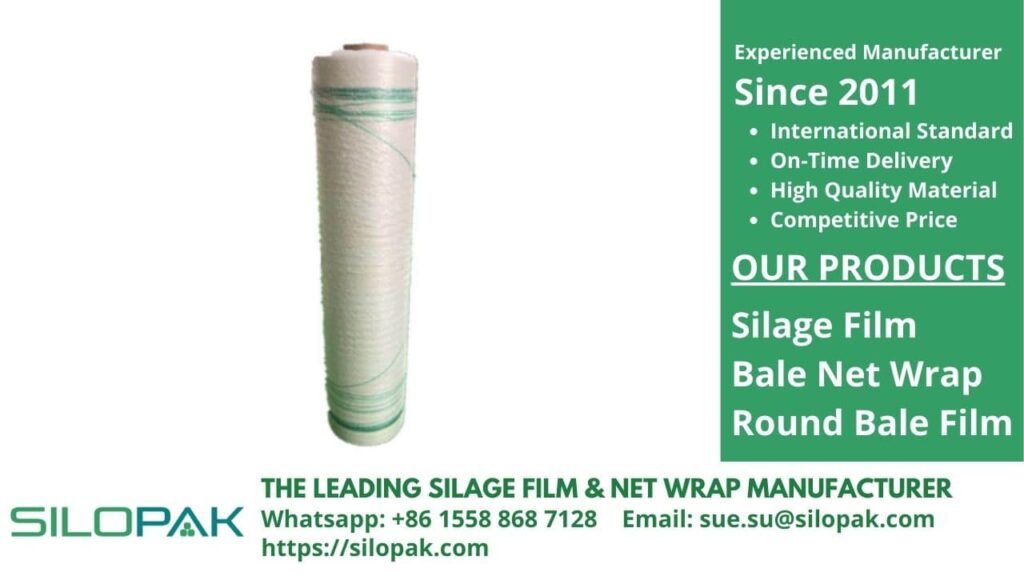
Net wrap is great for dry hay simply because it’s made of netted materials. It helps maintain bale shape, reduces leaf loss, and improves handling efficiency. However, it does not prevent water penetration, so proper storage plays an important role in keeping the bale dry. Needless to say, the way one store the wrapped bale holds an important key to keeping it fresh.
Move the batch to a spot where it doesn’t get bombarded by the elements. Even if the bales are wrapped using netted materials, the bale still can get spoiled if there is not enough time for it to dry properly after exposure to moisture.
Film Wrap
Manufactured from resins, a film wrap product is suitable for use with fermented feed that is naturally damp to begin with. The content is neatly tucked inside the wrap, holding its shape, while it helps reduce oxygen exposure when applied correctly. If exposed to oxygen, the fermented feed will undergo aerobic deterioration, leading to spoilage and nutrient loss.
What to Expect of Bale Wrap?
For every crop baling purpose, stick with wrapping products with the highest possible quality. It might not sound all that crucial, but the quality of wrappers you choose indirectly defines the quality of the feed given to the animals. Quality feed leads to quality produces, which in turn leads to increased profitability for the farmer.
Silopak offers a line of crop baling essentials for every farmer currently requiring net wrap and silage film. Contact us today for a quote on any one of our products.
Comparison Table: Net Wrap vs Film Wrap
| Feature | Net Wrap (Hay) | Film Wrap (Silage) |
|---|---|---|
| Main Use | Dry hay | Fermented feed (silage) |
| Material | Plastic netting | Plastic film (resin-based) |
| Moisture Protection | Low (depends on storage) | High (when wrapped properly) |
| Oxygen Control | None | Reduces oxygen significantly |
| Bale Shape | Maintains shape well | Maintains shape and seals tightly |
| Spoilage Risk | Higher if exposed to rain | Low if airtight conditions maintained |
| Key Benefit | Efficiency and reduced leaf loss | Preservation through anaerobic conditions |
FAQ
1. What is crop baling used for?
Crop baling is used to collect, compress, and store plant materials such as hay or silage so they can be used as livestock feed over time.
2. What is the difference between hay and silage?
Hay is dry forage with low moisture content, while silage is fermented feed stored in low-oxygen conditions to preserve nutrients.
3. Does net wrap make hay waterproof?
No, net wrap does not make hay waterproof. It helps maintain bale structure, but proper storage is still required to protect against moisture.
4. Why is oxygen control important in silage?
Oxygen exposure leads to aerobic deterioration, which causes spoilage and nutrient loss in silage.
5. How long can wrapped silage last?
Properly wrapped silage can last several months to over a year, depending on storage conditions and wrap quality.
6. Is bale wrapping necessary for all types of feed?
No, but it is highly recommended as it helps preserve feed quality, reduce waste, and improve overall efficiency in farm operations.
This article was last reviewed on March 27, 2026 to ensure the information remains accurate and up to date.