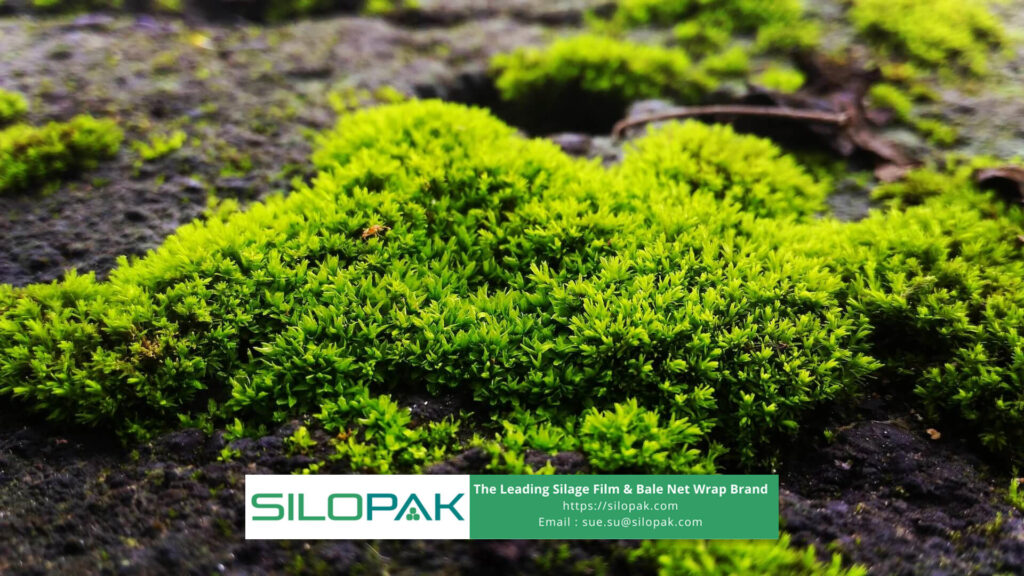
Peat moss is one of those materials that behaves beautifully when it is handled well and frustratingly when it is not. Moistened and mixed correctly, it holds water and air in a balance that seedlings and container plants love. Used straight from a dry bale, it can shed water like a duck’s back, leave pots bone-dry in the middle, and drag the pH far too low for most plants. Nearly every complaint people have about peat comes down to how it was prepared rather than the material itself.
Peat moss, or sphagnum peat, is the partly decomposed remains of sphagnum mosses and other bog plants that have built up in waterlogged peatlands over thousands of years. Because the bog is permanently wet and short of oxygen, plant material decays very slowly, and healthy peat accumulates at only about 1 mm a year. That slow formation is why peat is treated as a non-renewable resource on human timescales, and why its use is now under pressure in several countries.
This guide covers how to treat peat moss properly: what it is and is not, how to rewet and mix it, how to correct its acidity, how to store it, how to handle it safely, and how it is used as livestock bedding. It also covers the sustainability question honestly, because anyone buying peat today should know where the debate stands.
Peat Moss, Sphagnum Moss and Decorative Moss Are Not the Same Thing
Three different products are often lumped together under the word “moss,” and the earlier version of this page mixed them up. Getting them straight makes everything else easier.
| Product | What It Is | Typical Use |
|---|---|---|
| Sphagnum peat moss (peat) | Decomposed sphagnum and bog plant material, harvested from peatlands | Potting mixes, seed compost, soil amendment, bedding |
| Sphagnum moss (long-fibre) | The living or recently harvested moss, dried, not decomposed | Orchids, hanging basket liners, air layering |
| Preserved decorative moss | Sheet moss, mood moss or reindeer moss (a lichen) treated with glycerin and dye | Moss walls, interior décor, terrariums |
The decorative moss walls seen in hotels, restaurants and offices are not made from peat moss. They use preserved mosses and lichens that have been treated so they stop growing, keep their texture, and need no watering. Peat moss is a dark, crumbly, decomposed material that would never hold that kind of shape. And picking moss or digging peat from a wild bog to make your own is not a good idea: many peatlands are protected habitats, and removing material from them can be illegal as well as environmentally damaging.
The Properties That Decide How Peat Moss Should Be Treated
Peat moss is valued for its physical structure. According to North Carolina State University, sphagnum peat has a total pore space of 89 to 96 percent by volume. At field capacity, roughly 54 percent of that pore space holds water and 40 percent holds air, which gives roots both moisture and oxygen and leaves a wide margin of error between waterings. It is also light, weighing less than half as much as an equal volume of water, and it has a good ability to hold fertiliser nutrients on its exchange sites.
One correction is needed here, because it appears repeatedly in translated material. Peat moss holds water, not “air,” and it does not “absorb air.” The confusion comes from the Indonesian and Malay word air, which means water. Peat moss holds a large amount of water while still leaving air spaces, and that balance is the whole point of using it.
Two other properties shape how peat must be treated. First, it is strongly acidic. NCSU gives a pH of 3.8 to 4.5 for sphagnum peat, and other studies report values as low as 3.0 to 4.0 depending on source and degree of decomposition, as summarised in this review of peat properties. That acidity is natural. It comes from the chemistry of the sphagnum itself, which releases hydrogen ions as it takes up other cations, and from organic acids in the waterlogged bog, not from any “mining environment.” Second, peat is very low in nutrients and carries few microbes. It is clean and largely free of weed seeds, but it is not a fertiliser, and it is not truly sterile.
Step One: Rewet Peat Moss Before You Use It
The single most common mistake with peat moss is using it dry. Peat that has dried out in the bale becomes water-repellent, and water poured onto it beads up and runs straight past. In a pot, that means the mix around the edges gets wet while the root ball stays dry. NCSU notes that over-dried peat needs more than one watering to rewet thoroughly, and that growers tend to wait too long between waterings in the first place.
Rewetting is easy if you do it before planting. Put the amount of peat you need into a tub or wheelbarrow, add warm water a little at a time, and work it through with your hands or a spade until it is evenly moist. Warm water soaks in noticeably faster than cold. Leave it for an hour or, better, overnight, then check it again, because dry pockets often remain in the middle of clumps.
The squeeze test tells you when it is ready. Pick up a handful and squeeze firmly. If no water comes out at all, NCSU’s guidance is that the peat is still too dry; if a stream of water runs out, it is too wet and should be left to drain. Properly moistened peat releases a few drops and holds together loosely when you open your hand.
For large volumes or repeated problems with rewetting, a horticultural wetting agent helps the water spread through the peat. NCSU recommends testing any wetting agent on a small scale first, since some plants can be sensitive to them, and many commercial peat products already include one. A garden-scale alternative is simply to prepare the peat a day ahead and keep it covered so it does not dry again.
Step Two: Correct the Acidity with Lime
Because peat moss is so acidic, almost all plants except true acid-lovers need it limed. Commercial potting composts are already limed and fertilised, so this step applies when you are using straight peat or mixing your own. NCSU’s reference mix uses about 200 g of ground limestone per bushel of peat, which is roughly 35 litres, for both propagation and general growing. It also notes that dolomitic limestone, which adds magnesium as well as calcium, should be used at about twice the quantity of calcium limestone.
How much lime the peat needs depends on how decomposed it is. More decomposed, darker peat needs more calcium and is also easier to overwater, so NCSU suggests blending it with perlite or a similar material for better aeration and drainage. Lime takes time to react, so mix it in thoroughly while the peat is moist and allow a few days before planting into it if possible.
There are plants that prefer peat’s natural acidity. Blueberries, rhododendrons, azaleas, camellias and heathers all thrive in acidic conditions, and unlimed or lightly limed peat suits them well. Strawberries are often listed alongside blueberries as acid-lovers, but they prefer only mildly acidic soil, closer to pH 5.5 to 6.5, so they need peat that has been limed rather than used straight. If in doubt, an inexpensive soil pH test kit takes the guesswork out of it.
Step Three: Add Nutrients, Because Peat Has Almost None
Peat moss provides structure, not food. On its own it will not feed plants, so any mix based on straight peat needs fertiliser added. NCSU’s guidance includes supplying at least part of the nitrogen in slow-release form, avoiding high levels of ammonium nitrogen, and adding phosphorus at the start and at regular intervals because it leaches freely from peat. Trace element deficiencies are also common in peat mixes, and a slow-release trace element product is an easy safeguard.
The other side of that advice is not to overdo it. Peat holds nutrients well on its exchange sites, so excessive fertiliser can build up and damage roots rather than help them. For most gardeners, using a ready-made, limed and fertilised peat-based compost removes this complexity entirely; straight peat is mainly useful for people mixing their own media or amending beds.
Step Four: Mix Peat Moss with Other Materials
Peat moss works best as part of a blend rather than on its own. Very finely milled peat has small pores that fill with water, leaving too little air for roots, while coarser peat keeps more air in the mix. NCSU notes that air content below about 10 percent is undesirable, and blending peat with coarser materials is the simplest way to keep it above that level and prevent the mix from slumping and compacting over a season.
Common partners include perlite and vermiculite for seed and cutting compost, grit or sharp sand for plants that need fast drainage, composted bark for larger containers, and loam or garden compost when making a soil-based mix. When peat is used to improve garden beds, it should be worked evenly into the soil rather than left as a layer on top, where it can dry out and form a water-repellent crust. The earlier version of this page described peat “compacting like soil”; the real issue is that fine, wet, decomposed peat loses its air space over time, which is solved by choosing coarser grades and blending.
Storing Peat Moss Properly
Unopened compressed bales store well if they are kept off the ground, under cover, and out of strong sunlight, which can degrade the plastic wrapping over time. Once a bale is opened, the main risk is drying out, because peat that dries fully becomes difficult to rewet. Fold the bag closed or cover the bale, and keep it somewhere sheltered.
Very wet peat stored in warm conditions for long periods can develop mould growth, so stored peat should be moist rather than sodden. If an opened bale has dried out completely, rewet it as described above before use rather than trying to water it in place.
Handling Peat Moss Safely
Peat moss is not hazardous in normal garden use, but two simple precautions are worth taking. The first is dust. Dry peat produces fine dust when it is broken up, poured or mixed, and breathing it in is unpleasant and irritating. Moistening the peat before handling it keeps dust down, and a simple dust mask is sensible when working with large volumes of dry material.
The second precaution is gloves. Sphagnum moss has been linked to sporotrichosis, a fungal skin infection caused by Sporothrix schenckii, which enters through small cuts or scratches. A US Centers for Disease Control report described cases among garden centre workers in Wisconsin, traced to sphagnum moss, with lesions appearing one to twelve weeks after exposure. The workers who became ill wore gloves less often than those who did not, and the report suggested that protective clothing could reduce the risk. Wearing gloves when handling sphagnum products, especially with cuts on the hands, is an easy habit to adopt.
Peat Moss as Livestock Bedding
Peat has a long history as stable bedding in Northern Europe, especially in Finland, and recent research supports it. A study by the Natural Resources Institute Finland, reported by The Horse, compared peat with wood shavings for 12 broodmares over 84 days in one barn. Ammonia levels were six to eight times higher in the wood shavings stalls than in the peat stalls, and close to zero in the middle of the peat stalls, which the researchers attributed to peat’s strong ability to bind ammonia. Horses on shavings showed more signs of respiratory problems over the study period, while horses on peat tended to improve or stay stable.
The same study found that peat was used at about 59 percent of the rate of wood shavings, because it binds moisture so effectively, and that the used bedding composted quickly and retained nitrogen well for later use as fertiliser. The researchers did add caveats. Only bedding-grade peat should be used, since peat produced for energy has finer, drier particles and creates more dust. Good barn ventilation is still essential, peat may be hard to find in some regions, and the study compared peat only with wood shavings, not with straw.
For farms comparing bedding materials, peat sits alongside straw, wood shavings and newer options such as miscanthus. Our guides to crop residues and miscanthus cover those alternatives, which may suit regions where peat is scarce or where its use is being phased out.
How Peat Moss Is Harvested and Packed
Commercial peat is not gathered by hand from swamps. It is harvested industrially from drained peatlands. In the common milled-peat method, the bog surface is drained, the top layer is milled into loose material, dried in the field by sun and wind, gathered with vacuum harvesters or ridgers, and transported to a processing plant. There it is screened into grades, sometimes blended with lime, fertiliser and wetting agents, and compressed.
The finished product is usually packed in printed polythene bags for retail, compressed into bales inside a plastic sleeve, or loaded into large bulk bales and bags for professional growers, often stretch-wrapped on pallets for transport. The earlier version of this page suggested that peat is commonly packed in silage film or net wrap; that is not standard practice. Silage stretch film and bale net wrap are designed for forage bales, not for growing-media packaging, which uses purpose-made bags, sleeves and pallet wrap.
Sustainability and Peat-Free Alternatives
The environmental case against peat extraction is strong. According to Natural Resources Wales, peatlands store roughly double the amount of carbon held in all the world’s forests. When a bog is drained or burned, air reaches the peat, it begins to decay, and carbon that took centuries to accumulate is released as carbon dioxide. Because healthy peat grows at only about a millimetre a year, a harvested bog cannot be replaced on any timescale that matters to us.
That is why several governments are moving to restrict peat use in horticulture. In England, the government announced in 2022 that it would ban retail sales of peat for amateur gardeners, with later dates for professional growers. However, according to the Peat-free Partnership, the original 2024 retail deadline passed without legislation in any UK nation, and as of December 2025 the government’s position was that it would legislate a ban “when Parliamentary time allows.” Northern Ireland’s peatland strategy sets a 2030 deadline for phasing out horticultural peat. Rules are changing, so check the current position in your country before buying peat in volume.
Peat-free alternatives are now widely available. Coir (coconut fibre), composted bark, wood fibre, green-waste compost and loam-based mixes can all replace peat in many uses, and good peat-free composts perform well when watered and fed according to their own instructions. They do behave differently from peat, often draining faster or holding nutrients differently, so it is worth following the manufacturer’s guidance rather than treating them exactly like peat.
Where Silopak Fits
Silopak, the trading name of Tsingtao Jummos Agricultural Technology Co., Ltd., has manufactured and exported baling consumables from Qingdao since 2011. Our products are designed for forage and bedding materials: virgin LLDPE silage film and farming wraps for sealing silage and baleage, HDPE bale net wrap for round bales of hay, straw and silage, and polypropylene baler twine for square bales. We do not harvest, process or pack peat.
If you bale bedding materials such as straw or miscanthus, or wrap forage for livestock, our team can advise on the right film, net wrap or twine and supply samples and specifications. For peat itself, purpose-made horticultural packaging from a specialist supplier is the right choice.
Frequently Asked Questions about Treating Peat Moss
Q: Do I need to soak peat moss before using it?
Yes, if it is dry. Dry peat moss becomes water-repellent, so water runs past it instead of soaking in, and pots or beds can stay dry in the middle. Rewet it in a tub or wheelbarrow with warm water, mixing it through by hand, and leave it for an hour or overnight. It is ready when a firmly squeezed handful releases only a few drops of water. A wetting agent can help with large volumes, but test it on a small batch first.
Q: What is the pH of peat moss?
Sphagnum peat moss is strongly acidic. North Carolina State University gives a pH of 3.8 to 4.5, and some sources report values as low as 3.0 to 4.0 depending on the peat and how decomposed it is. The acidity is natural, coming from the sphagnum itself and the waterlogged bog environment. Most plants need peat to be limed before use; NCSU’s reference mix uses about 200 g of ground limestone per bushel, roughly 35 litres.
Q: Is peat moss good bedding for horses?
Research from Finland suggests it can be. A Natural Resources Institute Finland study found ammonia levels six to eight times higher in wood shavings stalls than in peat stalls, fewer signs of respiratory problems in horses on peat, and lower bedding consumption, at about 59 percent of the rate of shavings. Use only bedding-grade peat, since finer energy peat is dustier, and keep barn ventilation good. The study was small and did not compare peat with straw.
Q: Is peat moss sustainable?
Not on human timescales. Healthy peat accumulates at only about 1 mm a year, and peatlands store roughly twice as much carbon as all the world’s forests, much of which is released when bogs are drained and harvested. Several governments, including in the UK, have announced plans to phase out horticultural peat, although legislation has been slower than announced. Peat-free alternatives such as coir, composted bark and wood fibre are widely available.
Reviewed by Sue Su, Marketing Director of Silopak, on 29 October 2026. Rules on peat sales are changing in several countries, so check your local position before buying peat in volume.